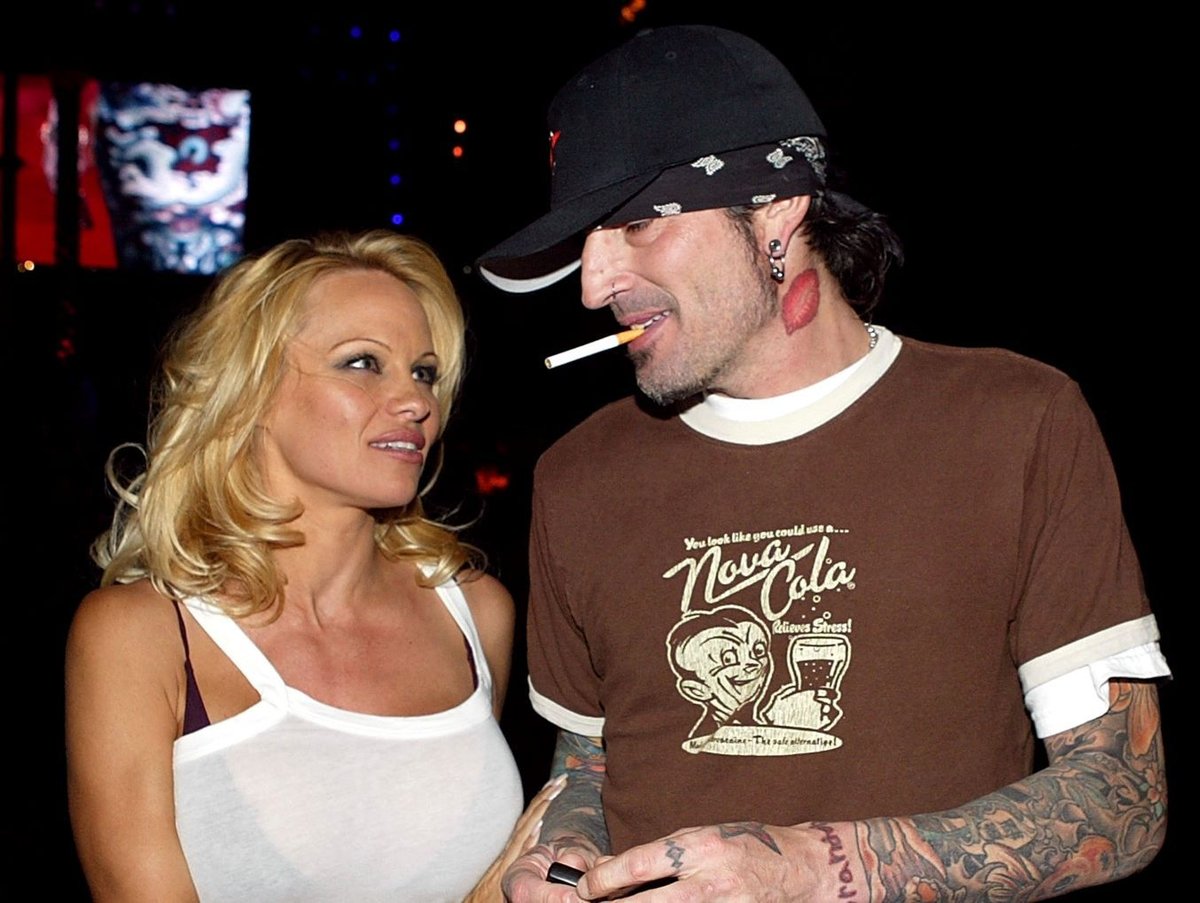
The story of the Pamela Anderson and Tommy Lee sex tape is more than just a celebrity scandal; it's a pivotal moment in cultural history that reshaped conversations around privacy, celebrity exploitation, and the nascent digital age. Emerging unexpectedly in the mid-1990s, this deeply personal recording became a global phenomenon, stripping two individuals of their intimacy and forcing a public reckoning with new forms of media dissemination and ownership. Its impact reverberated through legal systems, popular culture, and the personal lives of Pamela Anderson and Tommy Lee, leaving an indelible mark.
This isn't merely a tale of two rock stars; it's a complex narrative about the boundaries of public and private life in an era unprepared for the internet's power. It sparked vital discussions about consent, media ethics, and the often-unforgiving spotlight of fame. Decades later, its lessons remain profoundly relevant, prompting us to re-evaluate how we consume and interpret personal narratives thrust into the public domain.
The Unintended Viral Sensation: How It All Began
In 1995, Pamela Anderson, a global sex symbol from Baywatch, and Tommy Lee, the flamboyant Mötley Crüe drummer, were at the height of their fame, epitomizing a wild, unapologetic rock-and-roll romance. Their spontaneous marriage and whirlwind lifestyle made them tabloid darlings. What began as private home videos, intended solely for their personal enjoyment, was stolen from their home. This act of theft ignited a scandal that would quickly spiral beyond their control.
The tape's journey from a stolen item to a widely distributed commodity marked a frightening new precedent. Without the couple's consent, it began circulating online and through physical copies, becoming one of the first truly viral events in the internet's infancy. To truly grasp the seismic impact of this unprecedented breach of privacy, you can Uncover its origins and leak Explore and understand the timeline of its initial leak.
Battling for Privacy and Control: The Legal Arena
The unauthorized distribution of the tape plunged Pamela Anderson and Tommy Lee into a grueling legal battle against the individuals and entities profiting from their stolen intimacy. They fought vigorously to reclaim ownership and halt its spread, challenging existing laws that were ill-equipped to handle digital piracy and the rapid dissemination of content online. Their efforts navigated uncharted legal waters, setting precedents that continue to influence digital rights and privacy legislation today.
The legal fight highlighted the significant vulnerabilities celebrities face regarding their personal data, long before the age of cloud storage and social media. It also brought to light the moral and ethical dilemmas faced by platforms and distributors asked to profit from stolen content. The battle was intense, setting precedents in a burgeoning digital age, and you can Understand legal ramifications and cases to see the full scope of the legal fight and its lasting impact on legal discourse.
A Cultural Earthquake: Redefining Celebrity and Media
The "Pamela and Tommy" tape didn't just expose two individuals; it exposed the fault lines in society's perception of celebrity, privacy, and gender. The intense media scrutiny and public fascination often disproportionately targeted Pamela Anderson, showcasing deeply ingrained double standards regarding female sexuality and victimhood. It fueled a relentless tabloid culture that sensationalized personal tragedy for profit, impacting how future celebrity scandals would be handled.
Its ripple effect was felt across entertainment, fashion, and public discourse, making it essential to Explore pop cultures impact on a generation. This event solidified the concept of the "sex tape" as a celebrity trope, a troubling legacy that continues to influence how we talk about fame and personal boundaries.
Beyond the Headlines: Lives After the Leak
The controversy undoubtedly cast a long shadow over the careers and personal lives of both Pamela Anderson and Tommy Lee. For years, their professional endeavors were often overshadowed by the tape, making it difficult to escape the narrative that had been imposed upon them. Pamela, in particular, fought to be recognized for her talents beyond the scandal, navigating a landscape that often reduced her to a victim or a willing participant in her own exploitation.
Their post-tape experiences offer a poignant look into the long-term psychological and professional toll of having one's privacy so violently violated on a global scale. Beyond the courtrooms and headlines, the tape profoundly altered the trajectories of their public and private lives. Dive deeper into Their post-tape careers and lives to understand the lasting effects of this pivotal moment on their personal journeys.
Reexamining the Past: Modern Reinterpretations
In recent years, as conversations around consent, digital privacy, and the exploitation of women in media have evolved, the story of the Pamela Anderson and Tommy Lee tape has found renewed relevance. A new generation, armed with a more nuanced understanding of victimhood and media ethics, is re-evaluating the narrative through fresh eyes. This re-examination has led to compelling works that seek to correct the historical record and offer a more empathetic perspective on what happened.
These contemporary analyses, through documentaries and scripted series, aim to contextualize the event within a broader understanding of misogyny and the internet's early days. Today, as society grapples with these critical themes, this story continues to resonate, leading to numerous new perspectives. Discover these Modern Reinterpretations: Shows & Documentaries that shed new light on the past and contribute to a more just understanding of celebrity privacy.
A Legacy of Lessons Learned
The Pamela Anderson and Tommy Lee sex tape controversy remains a powerful reminder of the profound vulnerability that comes with fame and the enduring struggle to protect personal privacy in an increasingly interconnected world. It forced society to confront uncomfortable truths about media ethics, gender bias, and the potential for technological advancements to be used for exploitation. As we navigate an era of deepfakes and pervasive digital surveillance, the lessons from this 1990s scandal are more critical than ever, urging us to continually champion consent, privacy, and empathy in our digital interactions.